Cerhos - Keynote Template: A Practical Evaluation
In the landscape of professional presentations, the choice of visual framework often dictates the clarity and impact of the message being delivered. The Cerhos - Keynote Template has emerged as a significant option for users seeking a structured, visually cohesive way to present data, strategies, and narratives within the Apple Keynote environment. This template is designed to streamline the creation process, offering a pre-built architecture that users can customize to fit specific business or personal requirements. Understanding the scope, capabilities, and limitations of this tool is essential for anyone considering it for their next project.
Understanding the Core Structure
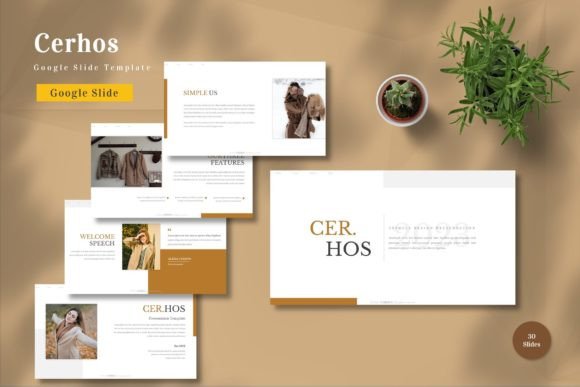
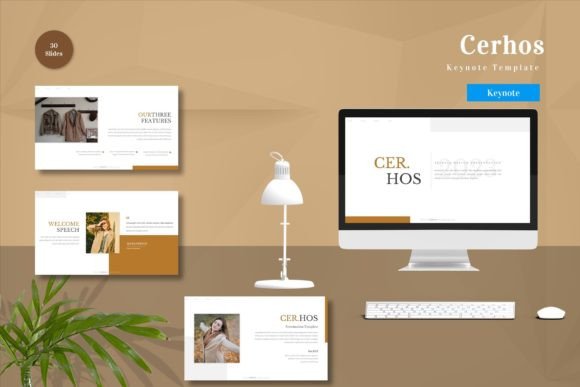
The Cerhos - Keynote Template is fundamentally a collection of 150 total slides organized into distinct sections to accommodate various presentation needs. It is not merely a set of static backgrounds but a dynamic system built on vector-based master slides. This architectural choice ensures that elements remain crisp at any resolution and are easily scalable without loss of quality. The template supports widescreen formats, which aligns with modern display standards used in conference rooms, lecture halls, and digital streaming platforms.
A defining characteristic of Cerhos is its flexibility regarding customization. Every element within the slides is editable. Users are not restricted to the initial layout; they can input their own content, replace placeholder images with high-resolution assets, and adjust color schemes to match brand guidelines. The inclusion of five premade color themes provides immediate variety, allowing presenters to shift the tone of the deck from conservative corporate blue to vibrant creative hues with minimal effort. Furthermore, the integration of animated slides adds a layer of engagement, helping to guide the audience's attention through complex information flows.
Reasons to Consider Cerhos
Several factors make the Cerhos - Keynote Template an attractive option for professionals and individuals alike. The primary driver is efficiency. Creating a professional-grade presentation from scratch requires significant time investment in alignment, typography, and layout consistency. Cerhos eliminates this friction by providing 30 useful slide layouts specifically designed for common use cases such as financial reporting, team introductions, project timelines, and strategic roadmaps.
Another compelling reason to evaluate this template is its reliance on recommended free web fonts. Typography plays a crucial role in readability and aesthetic appeal. By utilizing fonts that are widely available and optimized for screen reading, the template ensures that the presentation looks consistent across different devices without requiring the user to purchase expensive font licenses or worry about missing typefaces during a live presentation.
The "drag and drop" functionality simplifies the editing process, making it accessible even for those who may not possess advanced graphic design skills. The inclusion of a comprehensive Readme file serves as a practical guide, ensuring that users can navigate the file structure, understand how to modify master slides, and troubleshoot common issues effectively. For teams operating under tight deadlines, these features collectively reduce the time-to-delivery for high-quality decks.
Benefits and Tradeoffs
When weighing the benefits of Cerhos against potential tradeoffs, a balanced perspective is necessary. The most significant benefit is the professional polish it lends to a presentation immediately. The vector-based nature of the graphics means that charts, icons, and infographics can be resized and recolored without pixelation, a critical feature for large-scale projection. The 150-slide count offers a vast library of options, reducing the likelihood of needing to create custom slides for niche content.
However, there are tradeoffs to consider. With 150 slides, the sheer volume of options can sometimes lead to decision paralysis. Users must exercise discipline to select only the slides that serve their narrative, avoiding the temptation to include every interesting layout. Additionally, while the template is highly customizable, heavy modification of the master slides requires a basic understanding of Keynote's master view to prevent breaking the link between the master and the individual slides.
It is also important to note that preview images are not included in the final download. Users must rely on the documentation and the structure of the files themselves to visualize the final output. This requires a degree of technical confidence to ensure that the downloaded files function as expected before committing to a major project.
Ideal Use Cases
The Cerhos - Keynote Template is particularly well-suited for specific scenarios where visual consistency and speed are paramount. It is an excellent fit for startup pitch decks, where the ability to quickly swap out logos, colors, and imagery is vital for tailoring the story to different investors. The variety of slide types supports the diverse range of information typically found in a pitch, from problem statements to financial projections.
Corporate training and internal strategy meetings also benefit from this template. The clean, uncluttered designs help keep the focus on the content rather than the decoration. For educators or consultants who deliver frequent presentations, the ability to reuse the same structural framework while changing the content allows for a standardized look across multiple sessions, reinforcing brand identity and professionalism.
Furthermore, the animated slides included in Cerhos make it a strong candidate for product launches or keynote speeches where visual engagement is required to maintain audience interest. The animations are generally subtle and functional, designed to reveal information progressively rather than distract.
When to Consider Alternatives
Despite its strengths, Cerhos may not be the optimal choice for every situation. If a presentation requires highly specialized, industry-specific graphics that go beyond standard business iconography, a more niche template or a custom design might be necessary. Similarly, if the target audience primarily uses Microsoft PowerPoint rather than Apple Keynote, investing in a Keynote-exclusive template may not be practical unless the files can be reliably converted without losing formatting integrity.
Users who prefer a completely minimalist aesthetic might find the 150-slide library overwhelming or slightly too feature-rich. In cases where a presentation needs to be starkly simple—perhaps just text and one image per slide—a blank canvas or a simpler, lighter template could save time and reduce cognitive load. Additionally, if the project involves a collaborative workflow where team members do not have access to Keynote, alternative tools that support real-time cloud collaboration across different software ecosystems might be more appropriate.
Decision-Making Insights
To determine if the Cerhos - Keynote Template aligns with your goals, begin by auditing your current workflow. Ask yourself how much time is currently spent on formatting versus content creation. If formatting consumes a disproportionate amount of your resources, a robust template like Cerhos offers a tangible return on investment by automating the design phase.
Consider the technical environment of your team. Ensure that all stakeholders have access to Keynote and that the version compatibility matches the template requirements. Review the Readme information carefully to confirm that the included fonts and features meet your specific accessibility and branding standards. Finally, evaluate the complexity of your content. If your presentation relies heavily on custom diagrams or unique data visualizations, verify that the template's editable vectors can accommodate these needs without excessive manual adjustment.
Ultimately, the value of Cerhos lies in its balance between structure and flexibility. It provides a solid foundation upon which to build compelling narratives, freeing the presenter to focus on the substance of their message rather than the mechanics of the slide design. By understanding its capabilities and limitations, users can make an informed decision on whether this tool will enhance their presentation strategy or if a different approach better serves their unique objectives.